
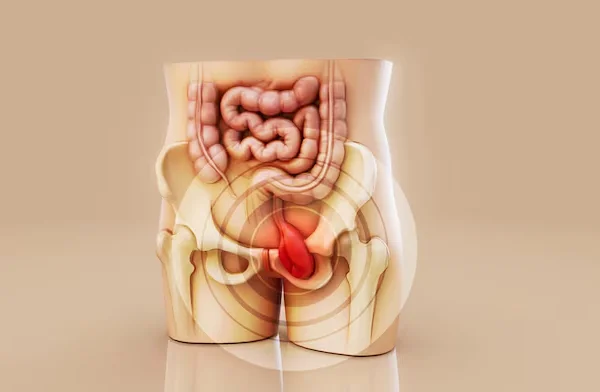
If you are searching for safe and advanced Abdominal Hernia surgery in Kalkaji, consulting an experienced surgeon like Dr. Debojyoti Sarkar is crucial. Abdominal hernias can cause discomfort, pain, and complications if left untreated. With modern surgical techniques and personalized care, Dr. Debojyoti Sarkar provides effective hernia repair treatment to ensure faster recovery and long-term relief.
An abdominal hernia occurs when an internal organ or tissue pushes through a weak spot in the abdominal muscles, forming a visible bulge. This condition commonly develops in areas such as the groin, navel, or previous surgical incision sites.
Abdominal hernia surgery is performed to repair this weakness and reposition the protruding tissue back into its proper place. The abdominal wall is then strengthened using stitches or a surgical mesh to prevent recurrence.
Common types of abdominal hernias include:
The doctor conducts a physical examination and may recommend imaging tests like ultrasound or CT scan.
General or local anesthesia is administered depending on the type of surgery.
The protruding tissue is pushed back into place.
A surgical mesh is placed to reinforce the weakened abdominal wall.
The incisions are carefully closed with sutures.
Patients are monitored and discharged based on their condition, often within a short time for laparoscopic procedures.
Surgery is the most effective and permanent treatment for hernias, especially when symptoms worsen.
Dr. Debojyoti Sarkar is a highly skilled and experienced surgeon known for providing advanced Abdominal Hernia surgery in Kalkaji. With expertise in both open and laparoscopic hernia repair techniques, he ensures precise treatment with minimal discomfort and faster recovery. His patient-focused approach, accurate diagnosis, and use of modern surgical methods make him a trusted choice for hernia treatment. Patients receive personalized care, clear guidance, and dedicated post-surgery support for optimal healing and long-term results.
Not always. Small, painless hernias may be monitored, but surgery is recommended for symptomatic or growing hernias.
The procedure typically takes 30 minutes to 2 hours, depending on the complexity.
Laparoscopic surgery offers faster recovery, less pain, and smaller scars, but suitability depends on the patient’s condition.
Most patients resume normal activities within 1–2 weeks after laparoscopic surgery.
Recurrence is rare but possible. Using mesh and following post-surgery care reduces the risk significantly.